
Andrea is a BCBA, LBA with 15+ years of experience supporting children ages 2–15 and their families. She specializes in early intervention, communication, emotional regulation, independence, and caregiver support using child-centered, evidence-based approaches.
Free 2-Minute Assessment
Stop Intense Child Meltdowns Fast.
Complete a 2-minute assessment to identify triggers and get an instant calm-down plan.

Specialists who can helpReal Support That Works
Explore specialists selected for this concern.Individual support from licensed behaviour experts and certified BCBAs
Diana is a BCBA with 10+ years of experience in ABA, focused on helping families use practical, evidence-based strategies to support meaningful progress at home.
Kea is a BCBA and parent coach specializing in neuro-affirming, assent-based care and compassionate family support.
Michael is a BCBA focused on compassionate, trauma-informed care and helping families better understand and support their child’s needs through practical, evidence-based approaches.
Sarah, MS, BCBA, has 10+ years of experience supporting individuals with developmental disabilities, including children ages 2–20. She specializes in focused ABA services and caregiver consultation, with a collaborative, flexible approach centered on each family’s needs.
Shelby is a BCBA supporting autistic children and families with practical strategies for behavior, communication, and everyday skills.
- 1:1 therapist support
- Practical expert steps and guides
- Trusted by 200+ families
Why big outbursts are not a choice
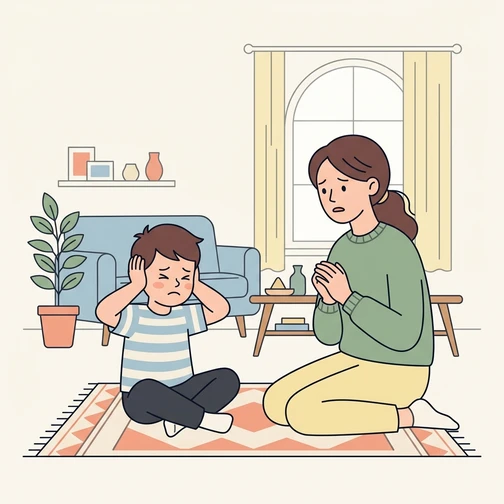
Big outbursts are rarely a choice. They often happen when noise, language, fatigue or uncertainty use up the child's coping capacity.
More words don't help in the moment.
Safety comes before teaching.
Recovery takes longer than the peak.
Patterns matter more than one hard day.
What is usually not helpful during a meltdown
Avoid long explanations
Long explanations tend to add more load while your child is already overwhelmed.Do not mistake overload for defiance
Treating a meltdown like deliberate defiance can make it harder to see the overload underneath.Do not rush the repair conversation
A repair conversation usually works better after regulation has returned.
A safer physical sequence for the next meltdown
In the moment
Lower language, reduce demands, create physical safety, and use a calm repeated phrase.
After the peak
Offer water, space, sensory support, or quiet proximity without forcing eye contact or apology.
Later
Review the pattern and adjust routines, expectations, or supports before the next trigger.
Evidence-informedThe CDC recommends parent training in behavior management as the first-line approach — reduce demands first, support regulation, then redirect.
CDC — Behavior Therapy for Children
- Co-regulation before verbal reasoning.
- Assess triggers before choosing intervention.
- Lower demands accelerate physical recovery.
Match the meltdown plan to your child
A meltdown plan works better when it fits your child's developmental age, language, safety needs, and physical recovery time.
Support intensity changes with age, language, safety, and recovery time.
First-Then board
At this age, the plan stays short and visual. You lower words, protect safety, and use simple cues before teaching anything new.
What the meltdown programme gives you
Each learning module turns one stressful moment into a practical guide, a short practice step, and a calmer way to try again.
Map triggers and patterns
Identify the hidden sensory, fatigue, and language overload points before the meltdown begins.
A 1-page visual worksheet to log sensory, physical, and cognitive triggers before outbursts occur.
Help your child through a meltdown without adding pressure
Describe one recent episode. We’ll shape a calm response around the first signs, the peak, and recovery.
- What to do at the first signs, at the peak, and after
- Words that lower pressure in each moment
- How to adjust when meltdowns stay intense
Self-paced support you can start at home
This page is set to the autonomous path. You get clear practical tools and short practice steps, with therapist help available later if you need it.
- Practical guides and parent scripts.
- Short modules that fit tired days.
- Optional therapist support when self-guided steps are not enough.
When the pattern is bigger than one tip, bring in a specialist
Guided Days is built so top-level behavior specialists can step in when home strategies are not enough. They read the real pattern behind the meltdown and turn it into a plan your family can actually use.
Isolate the Trigger
They pinpoint the exact nervous system trigger behind the meltdown.
Co-create a Roadmap
They translate clinical insights into one clear, step-by-step home plan.
Respond with Certainty
You know the exact next move instead of guessing in stress.


We work with behavioural therapists who have demonstrated experience in parent training and caregiver-mediated interventions—so support works in the routines your family repeats at home.
This is the upgrade path: less guessing, fewer repeated fights, and a specialist who helps the plan fit your actual child.
One skill carries into many routines
The same parent skill can help with meltdowns now and with other daily challenges as your child grows.
A short phrase and calm routine you repeat with your child so their body can borrow your calm before words are possible.
Use the same calm phrase during transitions, bedtime, and screen shutoff.
A short phrase and calm routine you repeat with your child so their body can borrow your calm before words are possible.
Choose the support level your family needs
Basic
Self-paced access to your personalised support programme and practical parent materials.
- Targeted action plans for your biggest daily struggles (like sleep, tantrums, or screen time).
- Exact words to say to de-escalate a situation in seconds.
- Ready-to-use visual tools to make daily routines predictable.
- Bite-sized daily steps designed for exhausted parents, taking just 5 minutes a day.
Start with your personalised programme and add expert support if needed.
Personal expert
Personalised guidance and live 1:1 sessions with an experienced, certified behavioural expert.
- A personalised support programme, built and adjusted with your expert.
- Live 1:1 meetings with a certified behavioural specialist.
- Direct feedback and answers to your questions.
Choose expert support when your family needs deeper, more individualised help.
Bring meltdowns under control with immediate expert help
Start working with a licensed specialist immediately, without waitlists or delays. Build a tailored, neuro-affirming plan together.